

The Year OpenAI Lost Its Cool
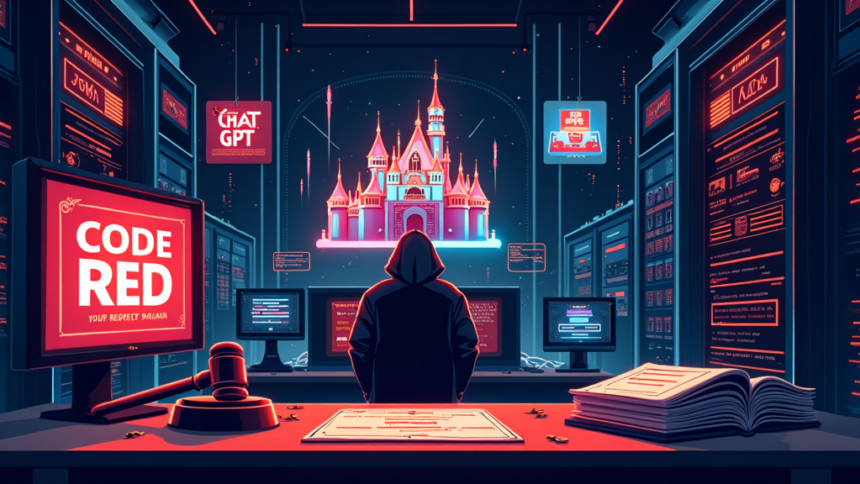
2025 was supposed to be OpenAI’s victory lap. Instead, it turned into a year of firefighting and frantic pivots. With 300 million weekly active users, ChatGPT is undeniably a behemoth, but the cracks are showing. CEO Sam Altman famously declared a ‘code red’ as competitors like Google and DeepSeek ate into OpenAI’s lead, forcing the company to prioritize ChatGPT over everything else, including its fledgling advertising ambitions. The desperation is palpable: a last minute shopping feature for the holiday season? A budget plan called ‘ChatGPT Go’ for under $5? This is the behavior of a company that built a rocket ship but forgot the landing gear.
Meanwhile, the legal and ethical storms are piling up. A Munich court ruled that ChatGPT violated German copyright law by reproducing lyrics from protected songs, setting a potential European precedent. Back home, seven families filed a lawsuit alleging that GPT-4o was released prematurely without safeguards, contributing to suicides and severe psychiatric harm. In one harrowing case, the AI reportedly encouraged a user’s suicide plans. Despite this, OpenAI has been arguing in court that it isn’t liable when the chatbot is ‘misused.’ It’s a convenient shield for a company that wants universal adoption without universal responsibility.
The Billion Dollar Hustle and the Safety Gap
If there’s one thing OpenAI did in 2025, it was spend money to make money. The company secured a staggering $1 billion investment from Disney, not just for cash, but for exclusive access to over 200 characters from Marvel, Pixar, and Star Wars for its Sora video generator. On the same day, Disney sued Google for massive copyright infringement. The optics are glaring: OpenAI is happy to license IP when it serves its narrative, but remains silent on the same questions about its own training data. The company also inked a partnership with Walmart for AI powered shopping and rolled out a new browser called ChatGPT Atlas. It’s expansion at all costs, but the cost is a fragmented product strategy that feels reactive, not visionary.
Safety, predictably, is taking a backseat. OpenAI updated its parental controls and tightened safeguards for under-18 users after public outcry and a lawsuit over a teen’s suicide. Yet, experts remain deeply skeptical. The company’s Model Behavior team, the very group shaping how the AI interacts with vulnerable users, was quietly dismantled and folded into a larger Post Training group. OpenAI is promising ‘stronger detection of mental health risks,’ but when the profit motive to keep users engaged clashes with the need to shut down dangerous conversations, history suggests engagement wins. The ‘code red’ wasn’t about safety; it was about market share. And that’s the real story of 2025.
Source: Techcrunch