

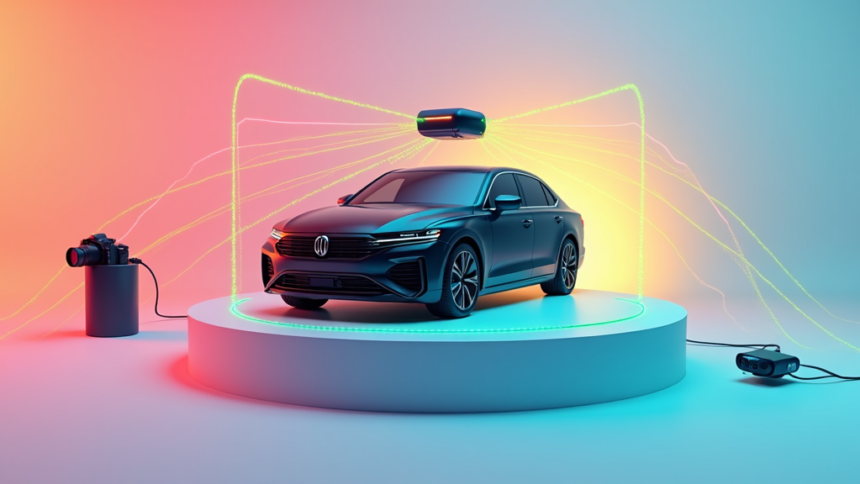
Ouster claims it has finally solved the sensor fusion nightmare that has plagued robotics and autonomous driving for years. The company’s new Rev8 lidar lineup integrates color imaging directly onto the same chip as its depth sensing technology, using SPAD detectors to capture both simultaneously. CEO Angus Pacala boasts this is the ‘holy grail’ roboticists have waited for, arguing that the traditional approach of buying separate lidar and camera units, then struggling to calibrate and fuse their data, is a colossal waste of time and resources.
The Single Sensor Ambition and a Shifting Market
This launch comes at a pivotal moment as the lidar industry consolidates. Ouster itself has absorbed Velodyne, and Luminar’s assets have been snapped up in bankruptcy. Simultaneously, the market is exploding with demand from working robotaxi fleets like Waymo and a flood of humanoid and industrial robotics startups. Pacala is explicit about his goal: ‘The goal is to obviate cameras. There’s no reason that one sensor can’t do both.’ By pre-fusing the data into a colorized 3D point cloud, Ouster is telling its customers to stop wasting engineering resources on sensor calibration and just use one box. This is a direct challenge to any autonomous vehicle company still clinging to multi-sensor stacks.
But Is It Actually a Good Camera?
Ouster partnered with Fujifilm and DXOMARK to build what Pacala calls a ‘pound for pound good camera,’ boasting 48-bit color and 116 dB of dynamic range. The flagship OS1 Max sensor also claims a staggering 500-meter range in all directions, aiming squarely at high-speed trucking and drone applications. While Chinese rival Hesai announced a similar color lidar technology, Pacala dismisses most competitors for merely packaging a camera next to a lidar in a box rather than integrating them on a single chip. If Ouster’s technology delivers on its promise, it could force a fundamental redesign of perception stacks across the entire robotics industry.
Source: Techcrunch