


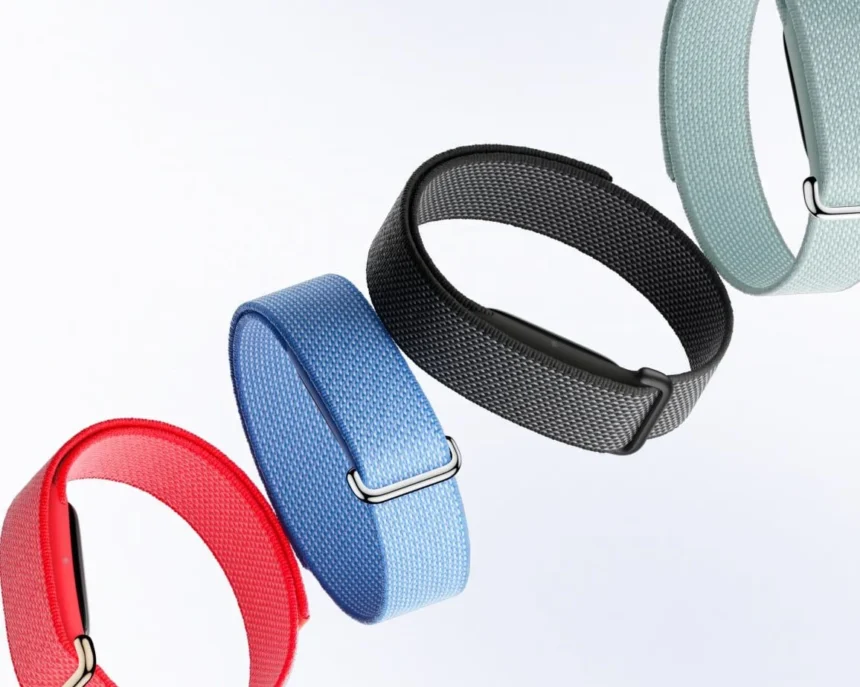
A Wearable That Wants to Disappear
Google just made its most honest play in the wearables game yet: a screenless fitness tracker you can forget you’re wearing. The Fitbit Air, announced Thursday for $100, looks like a direct answer to the Whoop band, targeting the segment of users who find smartwatches too bulky, complicated, or expensive. The device strips away the display entirely, relying on haptics and the Google Health app for any interaction. At 12 grams, it’s 25 percent smaller than the Fitbit Luxe and half the size of the Inspire 3. This is a bet that the future of health tracking isn’t about more screen time, but more seamless, passive data collection. But given Google’s track record with health data and privacy, the question isn’t whether this device works, but what it learns about you when you’re not paying attention.
Gemini as Your Gym Buddy
Underpinning the whole experience is Google Health Coach, a Gemini powered AI that acts as a fitness trainer, sleep consultant, and wellness nag all in one. For Google Health Premium subscribers, the coach can generate custom workout routines, analyze sleep patterns, and adapt to your habits over time. Google claims the Air automatically tracks activities and improves its personalization as it learns. That’s convenient. It’s also an unprecedented ask for trust. Pairing this with a Pixel Watch for daytime use and switching to the Air at night sounds like a clever cross sell strategy, but it also means Google gets an even tighter grip on your biometric data across multiple surfaces. The device’s 50 meter water resistance and week long battery life with fast charging make it practical, but the real sell is the data pipeline feeding Google’s AI. Cynics might call it a surveillance device you pay for. Optimists will see a breakthrough in truly ambient health tracking. Either way, Google now owns your wrist, even when you’re asleep.
Source: Techcrunch