


At the “Silk Road Connectivity” forum held on June 22 in Astana, participants from China and Central Asia highlighted the growing importance AI in national modernization efforts. As first reported by Qianlong, both sides acknowledged that AI is not just a technological trend but a transformative tool for sectors such as education, healthcare, energy, and governance. Countries in the region are aligning strategies and institutions to leverage AI for economic and social development.
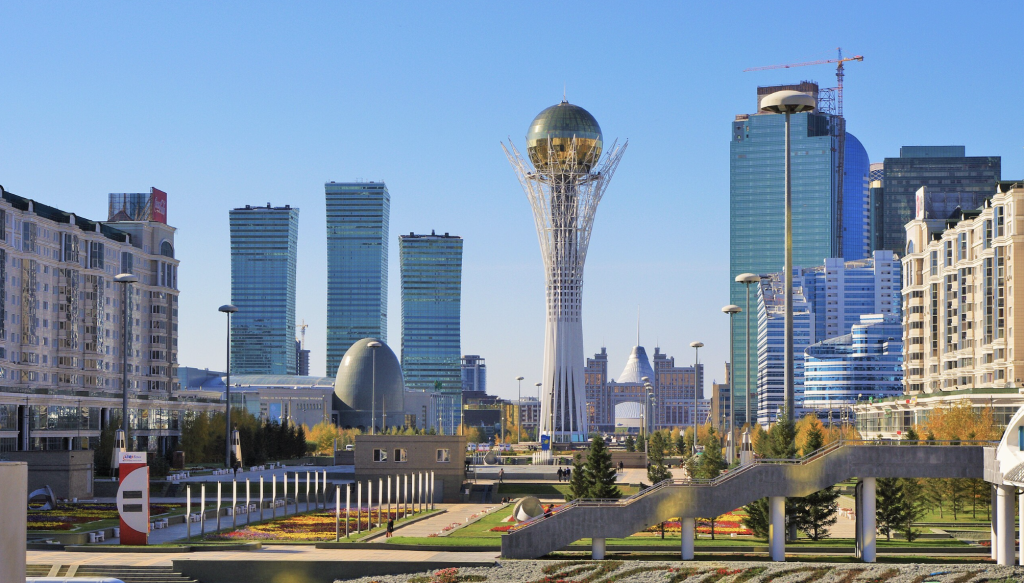
Source: wikipedia.org.
Speakers noted that Central Asian nations have been rapidly advancing digital infrastructure, with Tajikistan implementing a national digital transformation strategy and Kazakhstan forming an AI Advisory Committee to guide deployment. China, with its leadership in AI development, is seen as a crucial partner in helping Central Asian countries scale innovation, especially through academic and technical cooperation. “AI development relies on dialogue and exchange,” said Tokhir Majidov of Tajikistan Technical University, emphasizing the significance of working with Chinese universities.
Experts stressed that cooperation in AI has become a new engine for regional collaboration. Yang Jin from the Chinese Academy of Social Sciences noted that both China and the five Central Asian nations possess distinct strengths in digital economy development, forming a strong basis for deeper engagement. Initiatives range from AI-assisted governance systems to intelligent content platforms in education and public services.
Participants agreed that joint development of digital products, experience-sharing, and institutional exchanges would be key to future success. The forum reflected a shared understanding that, amid a rapidly evolving digital economy, AI will be central to regional growth strategies and long-term connectivity.
With AI positioned as a strategic pillar, China and Central Asian countries are laying the groundwork for a deeper, more integrated digital partnership—one that not only supports national development goals but also strengthens shared resilience in a changing global landscape.