

The AI industry’s relationship with copyright just passed a strange milestone. Anthropic got permission to write a $1.5 billion check, but the legal question that matters most to every AI company remains just as unsettled as before.
Monday’s court ruling closes a class action brought by authors who said Anthropic pirated half a million books to train Claude. The payout, roughly $3,000 per work, is the largest ever in a US copyright case. But the financial scale hides a legal anticlimax.
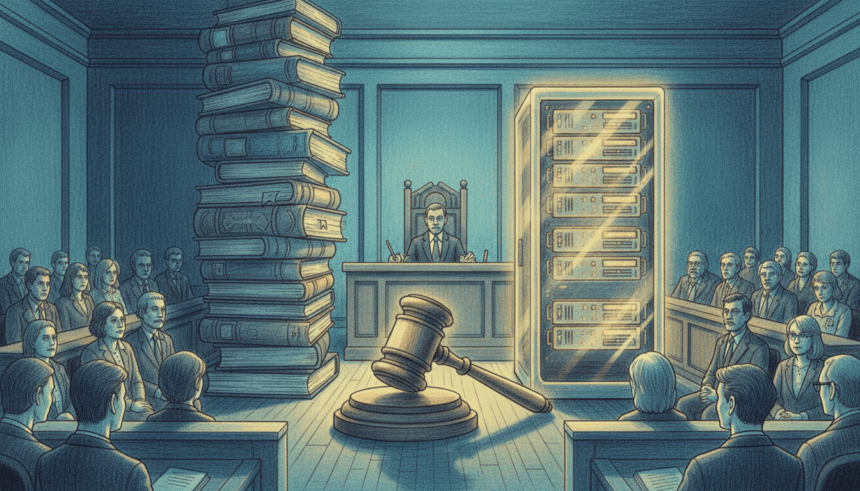
The judge who originally handled the case had delivered a ruling the whole industry wanted to hear: training AI on copyrighted text is fair use. That finding could have become binding law. Instead, Anthropic chose to pay and move on, leaving the appeals court without a case to hear. Every other judge is back to square one.
The consequences are already visible. A coalition of major publishers filed suit against Google last week on near-identical facts. Without a unified appellate ruling, each case will be decided district by district.
For authors, the settlement is real money but no guarantee of future protection. No licensing mechanism was established. No framework for compensating training-data creators was created. The check may be historic, but the underlying problem remains.