


As first reported by Sina Finance, the provincial Department of Human Resources and Social Security has released 20 comprehensive measures to strengthen the AI industry. These policies focus on supporting labor demand, cultivating AI startups, attracting and retaining talent, and accelerating the integration of research with industrial applications.
To address the growing labor needs of the AI sector, especially for leading enterprises and high-tech startups, a dedicated service mechanism will be implemented with a “one enterprise, one policy” model. Meanwhile, the government will enhance support for AI entrepreneurs by relaxing entry requirements for startups, offering streamlined subsidies, improving loan accessibility, and encouraging innovation among young founders and college graduates.
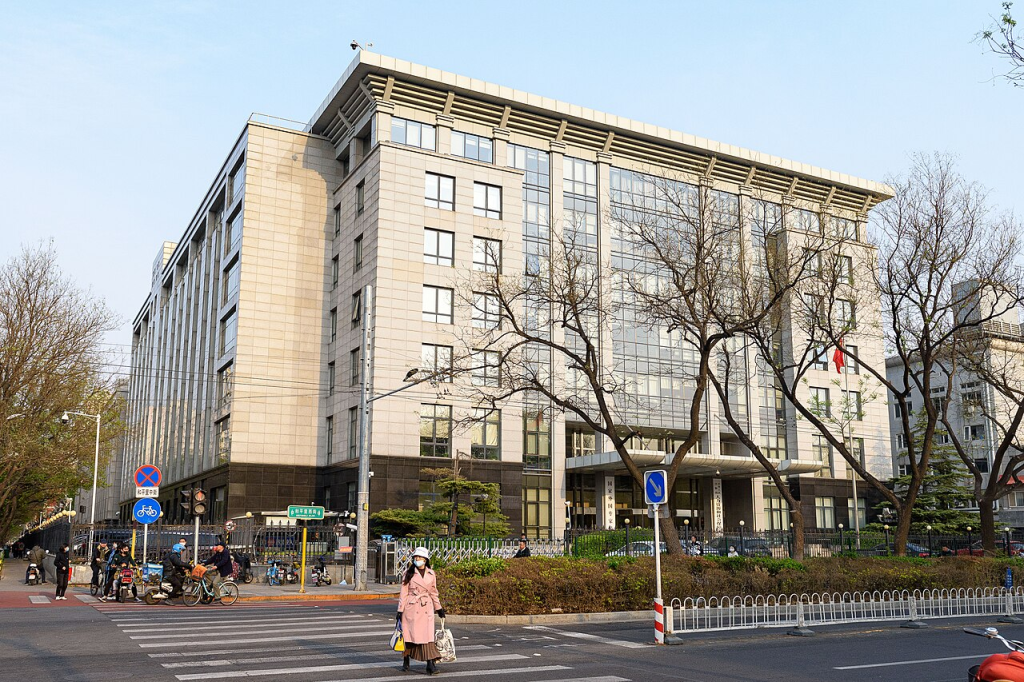
China’s Department of Human Resources and Social Security HQ. Source: wikipedia.org.
Employment in AI-related fields is expected to see a significant boost, with over 100,000 job openings planned in areas such as algorithm design, data processing, computing infrastructure, and security. A centralized platform will collect and publish job data, enabling more efficient recruitment efforts. Companies that achieve notable success in hiring top-tier AI talent may receive up to 200,000 yuan in government rewards.
The province also plans to deepen collaboration between research institutions and industry by creating an AI expert database, promoting part-time industry roles for academics, and supporting researchers in launching startups. These efforts are designed to speed up the commercialization of AI innovations and extend the industrial value chain.
By combining workforce development, startup incentives, talent recruitment, and academic-industry integration, the province aims to build a robust AI ecosystem. These targeted initiatives not only reflect local ambitions but also align with China’s broader strategy to lead in global AI innovation.