

The Robot Baggage Handler That Barely Works
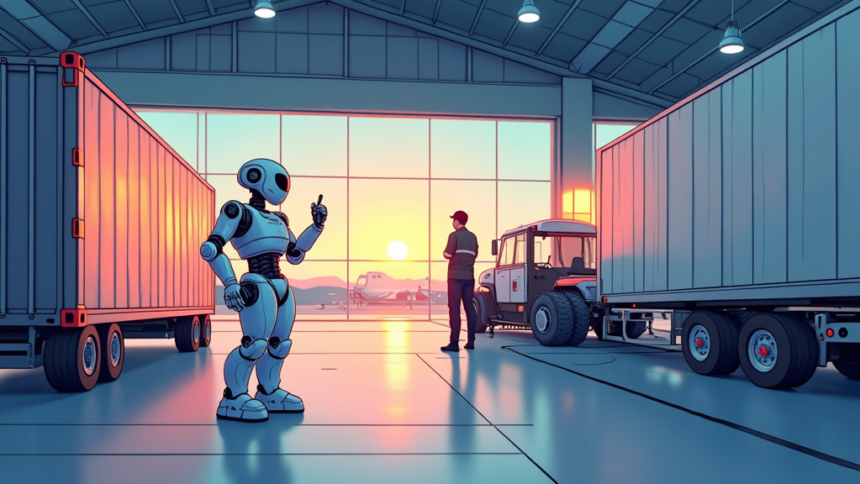
Japan Airlines is rolling out humanoid robots at Tokyo’s Haneda Airport starting May 2026, billing it as a fix for Japan’s crippling ground crew labor shortage. The pilot will test Unitree’s G1 and UBTECH’s Walker E robots doing everything from loading cargo to cleaning cabins through 2028. On paper, it sounds like a forward looking solution. In practice, a newly released video shows one of these humanoid machines tottering up to a cargo container and making a vague pushing gesture, accomplishing nothing until a human worker manually starts the conveyor belt. This is not a revolution. It is an expensive theatrical performance.
The Real Problem Humanoid Robots Can’t Solve
JAL’s subsidiary JAL Ground Service has partnered with GMO AI & Robotics for the demo, but the economics are brutal. Even the cheap model, the Unitree G1, costs $13,500 per unit, and that is the baseline before you add the AI software required to navigate unpredictable airport environments. Japan’s ground crew workforce shrank from 26,300 to 23,700 between 2019 and 2023. Narita Airport was turning away over 30 percent of requested flights in late 2023 because there were not enough cargo handlers. Throwing wobbly, expensive robots at that problem while claiming adaptation to human workspaces is the answer feels less like innovation and more like a vendor paid demo dressed up as a pilot program. Safety assessments for working alongside humans at an airport with flights every two minutes have not even begun.
Source: Arstechnica