


As first reported by Nanning Daily, the city of Nanning is undergoing a sweeping transformation fueled by artificial intelligence, embedding “AI+” applications across industries to power high-quality development and industrial revitalization. From smart classrooms equipped with XR devices to intelligent robots on factory floors, AI is reshaping daily life and production in southern China’s Guangxi region. Central to this momentum is the China-ASEAN AI Innovation Cooperation Center, a strategic platform aimed at driving regional collaboration and exporting AI applications to Southeast Asian markets.
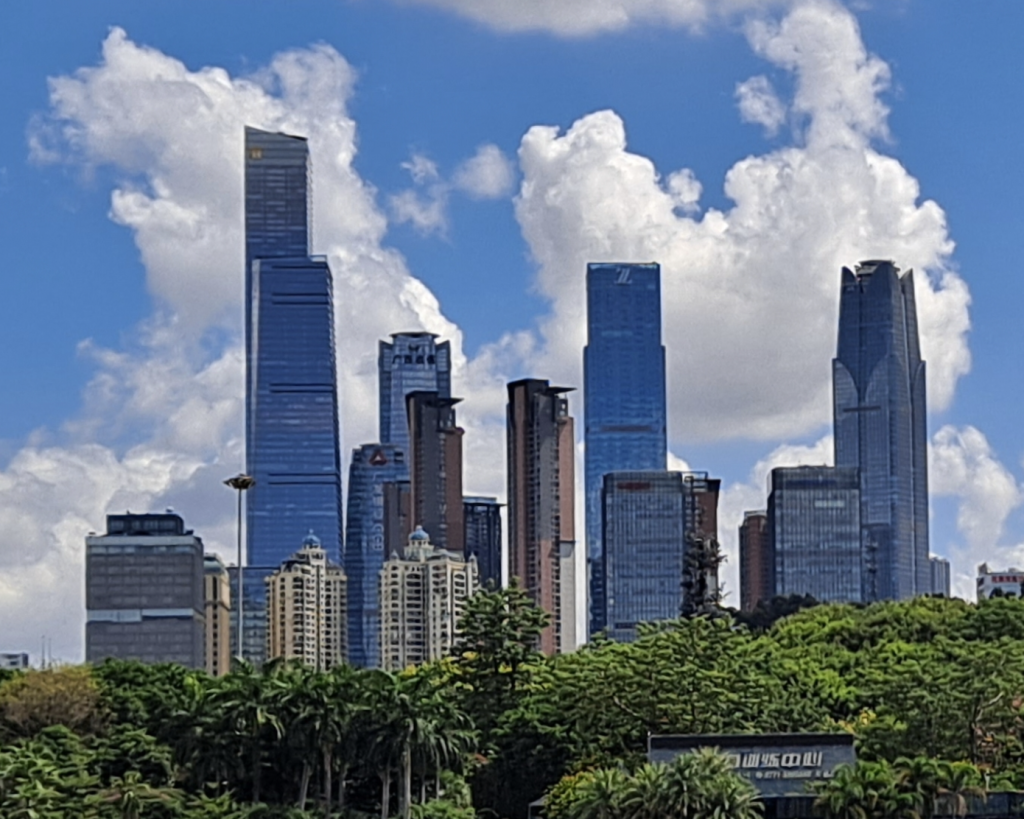
Source: wikipedia.org.
Local companies like Maiyue Technology are leading the charge, deploying large-model teaching tools and behavior analytics platforms across universities. The company has also signed key partnerships with firms such as Baixin Information Technology and Xindong Microelectronics to expand AI education and healthcare solutions into ASEAN countries. Meanwhile, in the manufacturing sector, Guangxi Aige Gongfang Home Furnishing is harnessing AI-powered automation, visual quality inspection, and cloud-based inventory systems to boost production efficiency, reduce defects, and enable smart, customized home solutions.
At the policy level, Nanning has issued a comprehensive “AI+Manufacturing” Action Plan (2025–2027) with 16 targeted measures and has released the city’s first “opportunity” and “capability” lists to match enterprises with AI solutions. These initiatives aim to catalyze digital transformation in key sectors and foster collaboration among technology developers and manufacturers. Officials plan to expand these mechanisms to establish Nanning as a major AI innovation hub that not only serves local growth but connects with broader ASEAN ambitions.
With plans to surpass 50 billion RMB in AI industry scale by 2027, Nanning envisions developing 80 signature smart products and 60 benchmark AI scenarios. City leaders are leveraging a coordinated working group model to accelerate the alignment of technology supply and application demand, while also building a platform for public-private partnerships and regional cooperation.
Nanning’s “AI+” strategy exemplifies China’s broader push for smart, localized innovation with global ambitions. By blending grassroots implementation with international outreach, the city is positioning itself as a critical node in China’s digital Belt and Road, aiming to become a model for AI-driven transformation in both domestic and ASEAN markets.