

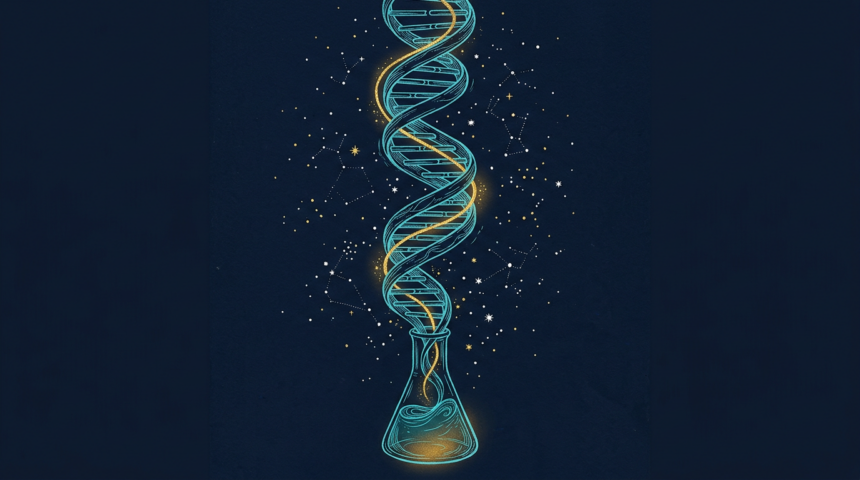
Anthropic’s models are going in front of Novo Nordisk’s scientists. The two companies announced a collaboration on Wednesday that also trials the Claude Science workbench on drug discovery problems the drugmaker’s own teams have flagged.
Work runs on two tracks. Research groups get frontier models aimed at biological reasoning. Engineering groups use them on software the company calls a prerequisite for scaling AI internally. The announcement, datelined Bagsvaerd in Denmark, leans on data governance and human oversight.
What Novo Nordisk is testing is an application rather than a model. Claude Science appeared in beta on June 30, wrapping whichever Claude models already sit in a user’s plan and adding more than 60 skills and connectors for genomics, single-cell analysis, proteomics, structural biology and cheminformatics. Arithmetic and references get audited by a separate reviewer agent before results are trusted. Every output carries a history of the code, environment and messages behind it. Sensitive data stays on the customer’s own infrastructure.
Documentation is the proven ground. An Anthropic case study describes NovoScribe, built with Claude Code, which pulled clinical study reporting from more than ten weeks down to ten minutes and cut resources for device verification protocols by 95 percent.
Chief executive Mike Doustdar has set a target of running the most AI-driven healthcare company in the industry and described the pact as one more step toward it. Anthropic’s Dario Amodei said frontier models could squeeze a century of biological advance into a decade.