

The robot workforce arrives at Haneda
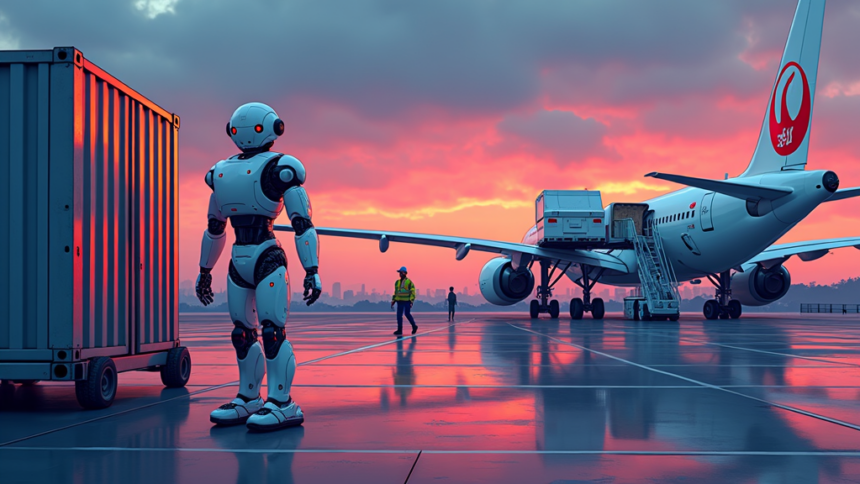
Japan Airlines is rolling out humanoid robots at Tokyo’s Haneda Airport to tackle a severe ground crew shortage, but early footage suggests the machines have a long way to go before they can replace human workers. The trial, which starts in May 2026 and runs through 2028, will test Unitree’s G1 robot and UBTECH’s Walker E in tasks like cargo loading and cabin cleaning. The airline’s subsidiary JAL Ground Service is partnering with GMO AI & Robotics to see if general purpose humanoids can adapt to the messy reality of airport operations without expensive workplace modifications.
A promotional video from a staged hangar demo shows one robot tottering toward a cargo container and making a vague pushing motion. The container only moves when a human worker triggers the conveyor belt. It is a telling reminder that despite the hype, these bots are still a long way from handling unpredictable airport environments where flights land every two minutes. The first phase of the pilot will simply identify which areas are safe enough for the klutzy machines.
The labor gap and the robot premium
Japan’s airport ground crew numbers have dropped from 26,300 in 2019 to 23,700 in 2023, according to government data. Narita Airport reported in December 2023 that it could not handle over 30 percent of requested flights each week due to staff shortages for cargo handlers and ground crew. The airline industry is desperate for bodies, but humanoids remain an expensive bet. While the Unitree G1 starts at $13,500 for the baseline model, most humanoid robots still cost tens of thousands of dollars per unit even as Chinese manufacturers scale up production.
The real test is whether AI powered humanoids can outperform the specialized robot arms that already dominate factory floors and warehouses. Those single purpose bots excel at repetitive tasks in controlled settings. Humanoids face a far tougher challenge: navigating open environments with unpredictable people, vehicles, and equipment. Japan Airlines is betting that recent advances in AI software can make these bipedal machines adaptable enough to justify their price tag. Early evidence suggests that bet is far from a sure thing.
Source: Arstechnica