

The AI Restaurant Factory
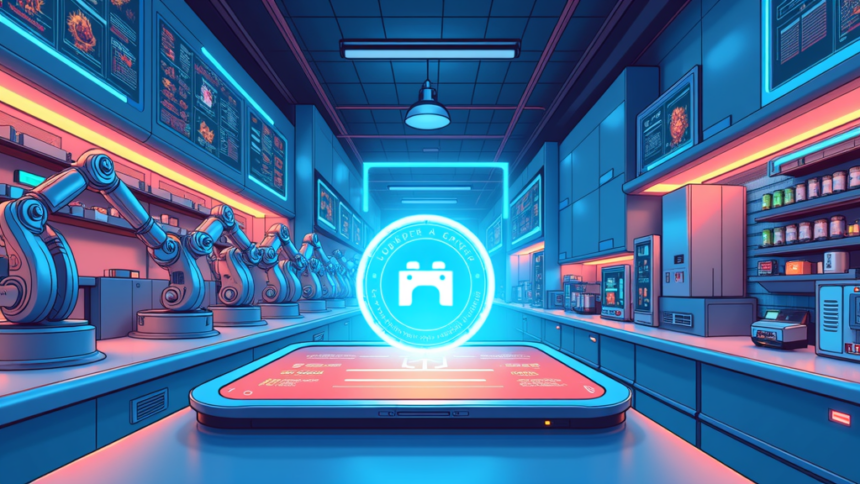
Marc Lore, the e-commerce mogul who sold to Amazon and Walmart, is back with his most audacious pitch yet: AI generated restaurants that anyone can launch from a single prompt. His company, Wonder, is rolling out “Wonder Create,” a platform that lets users type a description and get a fully branded virtual restaurant with menus, pricing, and recipes in under a minute. These aren’t real kitchens with chefs and ambiance. They are “programmable cooking platforms” housed in 2,500 square foot, all electric spaces staffed by a dozen humans and an army of robotic arms, conveyors, and soon an “infinite sauce machine” capable of producing 80% of internet recipes. Lore wants 1,000 different restaurant brands operating out of each location by 2035.
The Ghost Kitchen Redux, Now With Robots
This is a direct evolution and a bet against the ghost kitchen graveyard. Early pioneers like MrBeast Burger collapsed under the weight of inconsistent food quality from franchised kitchens. Wonder’s answer is total vertical integration: own the kitchen, own the robotics, own the delivery (via Grubhub acquisition), and own the meal kits (via Blue Apron). Lore claims this setup can boost throughput from 7 million to 20 million meals with the same headcount. Still, the vision feels like a technocratic dream that ignores the gritty heart of food culture. AI can generate a menu, but can it make a burger that tastes like it wasn’t extruded by a machine? The company admits its robots can’t stretch pizza dough or roll sushi, sticking to safe staples like wings and bowls.
A Promise of Democracy or a Play for Scale?
Lore paints Wonder Create as a democratizing force: influencers, personal trainers, and nonprofits can all launch a brand. But the real arbitrage is buying existing restaurant chains, like Blue Ribbon Fried Chicken for $6.5 million, and instantly multiplying their footprint to 400 locations. This isn’t about empowering small businesses. It is about asset light, AI driven hyper scaling where the “restaurateur” is a prompt engineer and the real product is the capture of every cuisine category before anyone else can. The question isn’t whether AI can write a menu. It is whether customers will care when every meal tastes like it was designed by an algorithm.
Source: Techcrunch