


As first reported by Scitechdaily, researchers at Charité – Universitätsmedizin Berlin have developed a groundbreaking artificial intelligence model, named crossNN, capable of diagnosing brain tumors with 99.1% accuracy—without the need for surgical biopsies. The model uses epigenetic data, or the “molecular fingerprint” of tumors, which can be obtained from cerebrospinal fluid, enabling non-invasive diagnostics in high-risk cases.
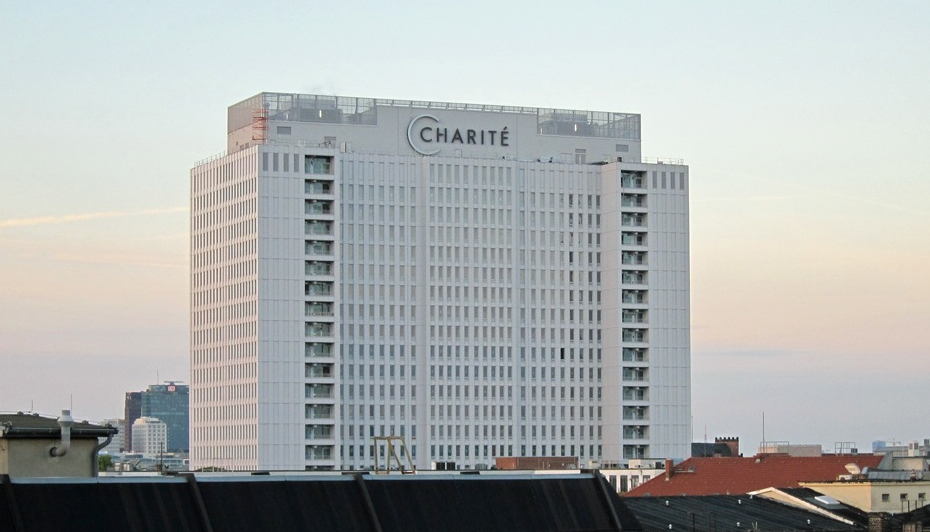
Source: wikipedia.org.
Unlike traditional pathology reliant on tissue samples and microscopic analysis, crossNN identifies tumors based on epigenetic modifications that serve as gene “on-off switches.” By comparing these fingerprints to a massive dataset of over 5,000 tumors, the AI accurately distinguishes among more than 170 tumor types—even those collected via different sequencing methods. Researchers emphasized that the model’s simplicity and transparency make it ideal for clinical adoption, an important step for gaining regulatory approval.
The system is already being used at Charité’s Department of Neuropathology for liquid biopsies. In one highlighted case, a patient suffering from double vision avoided surgery thanks to nanopore sequencing of spinal fluid analyzed by crossNN, which quickly identified a central nervous system lymphoma. This enabled immediate initiation of targeted chemotherapy, underscoring the model’s life-saving potential.
Beyond brain tumors, the model has demonstrated 97.8% accuracy in classifying tumors from all organ systems, making it a versatile tool for broad cancer diagnostics. The team, in collaboration with the German Cancer Consortium (DKTK), now plans clinical trials across eight centers in Germany and aims to bring crossNN into routine intraoperative use.
By eliminating the need for risky biopsies and delivering rapid, highly accurate tumor classification, crossNN represents a significant leap forward in personalized oncology—offering hope for faster, safer, and more precise cancer treatment worldwide.