

Google DeepMind has outlined how it plans to give AI assistants long-term memory without holding the keys to it.
The company’s Private AI Compute platform already let users run heavy tasks inside hardware-isolated cloud enclaves, but the design was stateless, wiping context the moment a job ended. Saving a list of preferences was the best workaround available. That is not enough for assistants expected to remember across a phone, a laptop and a pair of smart glasses.
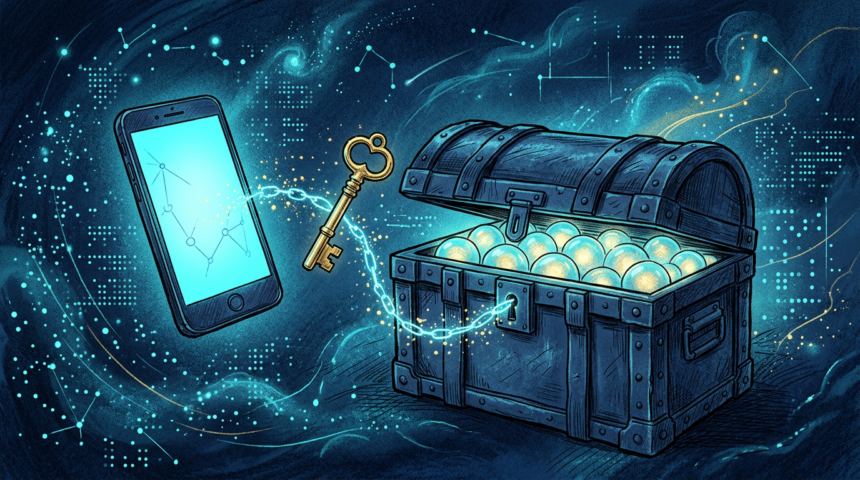
Under the new model, relevant context sits encrypted in dedicated per-user storage, and only the user’s own devices carry the cryptographic keys. When a model needs the data, an authenticated end-to-end channel reaches an isolated enclave, which decrypts briefly in memory, handles the request, writes any new context and re-encrypts immediately. Google says the data stays inaccessible to anyone else, itself included.
Verification is part of the pitch. Devices will be able to check that server software is authentic and unmodified before sending personal data, and DeepMind is publishing a tamper-proof public record of that software alongside an updated technical brief. An independent cybersecurity firm audited the methods.
The work was split across the DeepMind, Platforms and Devices, Core and Cloud teams.