Tesla wants factory workers to teach their replacements, and some of them have said no.
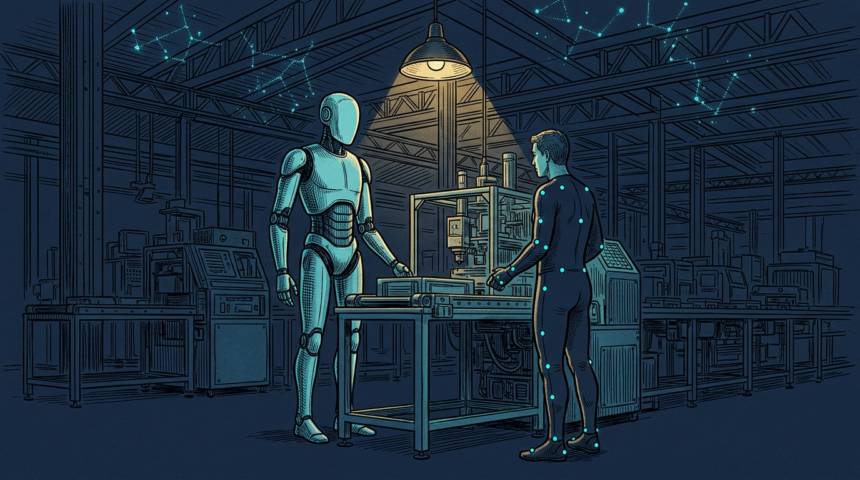
The Information reported that employees in Texas and California were asked to wear motion-capture suits on the job so their movements could train Optimus. Some complained they knew the robots were meant to take their work. Data collection has since moved to dedicated teams, with training hubs set up for the purpose.
The hands are the hardest part of the build. Each hand and forearm assembly holds more than 100 small components fitted by hand, and freshly built units often need immediate repair. When touch sensors proved unreliable, Tesla developed a glove-like sensor layer that can be swapped out instead of rebuilding an entire hand.
Assembly has its own problems. Tesla’s Fremont plant stopped building the Model S and Model X in May 2026 and moved line workers and engineers onto the robot. Equipment struggles to align components. The line cannot run at the intended speed. Output has reached hundreds of robots a week, well short of the program’s target.
Capability is a separate gap. Sources described machines that still need programming for specific tasks in controlled settings, which is roughly where the rest of the humanoid industry sits.