


The priest who advises the Catholic Church on artificial intelligence thinks the loudest argument in the field is the wrong one.
Father Paolo Benanti told Wired that hysteria over whether a godlike model could end humanity is pulling attention away from the question that matters, which is how the companies building the technology should be constrained. He sees the two positions as related rather than opposed. The fear of superintelligence, he argues, is a product of competition between labs and between the United States and China, and it is that race which needs public scrutiny.
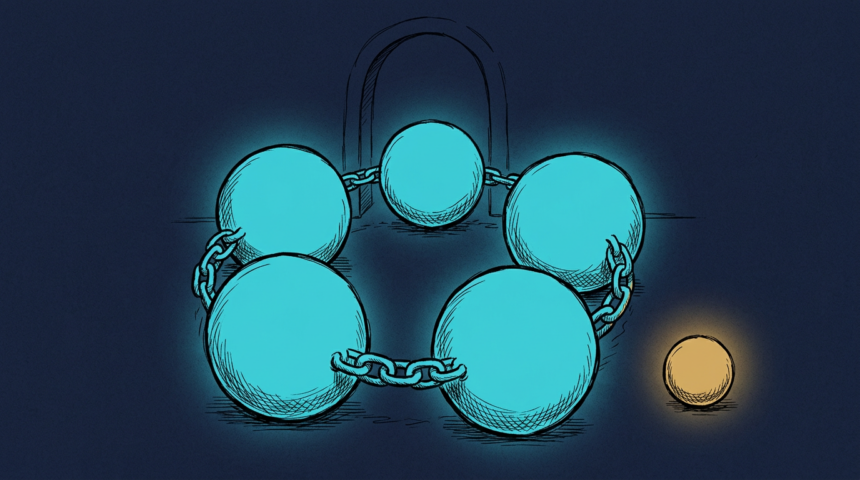
His specific concern is cartel behaviour among the largest labs. A small number of firms control the frontier, set the terms on which others build, and shape the safety vocabulary that governments then adopt. When those companies warn about existential risk, they are also defining the terms of their own regulation.
Benanti is not a technophobe. He has spent years arguing that AI needs the same kind of institutional attention that medicine and finance received in earlier centuries, with professional norms, oversight and a place for people outside the industry.
That is a low-drama position, and it arrives in a month of high-drama ones. Two frontier labs published duelling essays on slowing down, a group of consumers sued four companies over an alleged slowdown pact, and Washington is debating a bill that would ban superintelligence outright. Benanti’s point is that all of those fights assume the public has no seat at the table.