

The AI Restaurant That Works in 60 Seconds, Until You Bite Into It
Marc Lore, the e-commerce veteran behind Jet.com and Diapers.com, is pitching a future where anyone with a laptop and a hankering for fame can become a restaurateur. His platform, Wonder, is rolling out Wonder Create, a tool that lets users type a prompt into an AI and instantly generate a full restaurant brand: name, menu, pricing, recipes, and branding. In less than a minute, you could theoretically own a virtual chain operating out of Wonder’s growing fleet of tech enabled kitchens, which currently number 120 and are slated to hit 400 by next year. This is a classic Silicon Valley fantasy dressed up in an apron — the promise that AI can collapse years of culinary hustle into a single click, ignoring the fact that the real world doesn’t run on prompts alone.
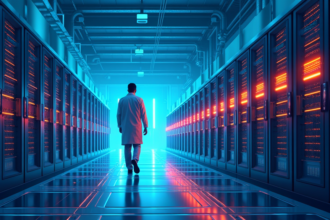
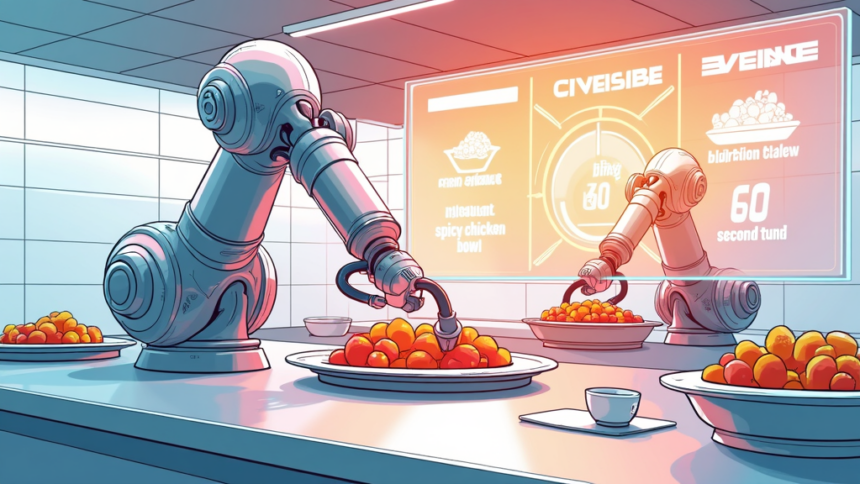
Lore calls this a “Shopify front end with an AI prompt,” and the comparison is telling. Shopify lets anyone open a store, but most of those stores fail because logistics, customer trust, and supply chains are hard. Wonder wants to solve the supply chain with its “programmable cooking platforms” — all electric kitchens packed with conveyors, robotic arms, and a Spice Robotics automatic bowl maker. They also bought Blue Apron and Grubhub, stitching together a vertically integrated beast. But the weak link isn’t the machinery; it’s the partnership between a kitchen’s 12 human staffers and a robot that can’t toss pizza dough or roll sushi. Lore admits those limits matter, which means the hype around “infinite restaurants” is really about burgers, wings, and bowls — the bland, safe foods of a tech bro’s imagination.
Ghost Kitchens Are Dead. Wonder Is Just Digging Them Up With Robotics.
Let’s not pretend this is new. Ghost kitchens were the darlings of the early 2020s, delivering bold promises and cold food. MrBeast Burger became a cautionary tale, collapsing under inconsistent quality from hundreds of contracted kitchens. Wonder’s answer is to own the kitchens and automate them, which is a step forward, but it doesn’t erase the fundamental problem: the human craving for taste, variety, and consistency can’t be engineered away by a prompt. Lore’s plan to let mega influencers, micro influencers, and even Disney launch temporary restaurant brands sounds like a marketing gimmick dressed as innovation. It sidesteps the hard question of whether customers will actually return for a bowl made by an algorithm for a brand that exists only on a delivery app.
The company is buying up real restaurant brands, like Blue Ribbon Fried Chicken, to plug into its network. Lore sees an “unbelievable arbitrage” in buying a 10 location chain and instantly scaling it to 1,000 kitchens. That’s exactly the kind of thinking that burned investors in the ghost kitchen era. The tech is better now, sure, but the market hasn’t changed. People want food they can trust, not a brand generated by a large language model in under a minute. The story here isn’t about empowerment — it’s about Lore betting that AI can paper over the cracks in a broken delivery model.
Source: Techcrunch