


The Blade Runner fantasy finally arrives at baggage claim
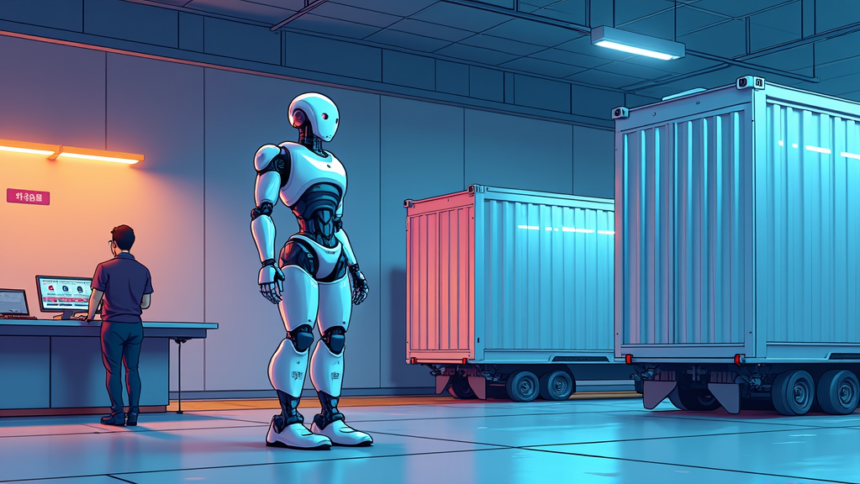
Japan Airlines is rolling out an expensive, unproven solution to its ground crew crisis: humanoid robots from Chinese manufacturers Unitree and UBTECH. The trial at Haneda Airport, starting May 2026, will have the G1 and Walker E bots tottering around cargo containers and aircraft cabins. The airline’s press materials paint this as a leap forward, but the only public demo shows a robot making vague pushing gestures at a metal box while a human worker actually operates the conveyor belt. At $13,500 a pop for the baseline Unitree G1, this is less a miracle of automation and more a bet that the labor shortage is so bad workers won’t laugh the bots off the tarmac.
Hardware that can’t keep up with hype
Humanoid robots have already flopped at real productivity in warehouses and factories, where they struggle with unpredictable environments that standard robotic arms handle with ease. Japan Airlines is betting that newer AI models will somehow make the difference, despite no evidence the robots can handle the chaos of an airport where planes land every two minutes. The pilot’s first phase is literally figuring out which zones are safe enough for robots, which suggests nobody knows if they can avoid becoming expensive mannequins on a collision course with baggage carts. Without disclosed safety standards or performance metrics, this looks more like a PR stunt than a real solution to Japan’s 10 percent ground crew decline since 2019.
Source: Arstechnica