


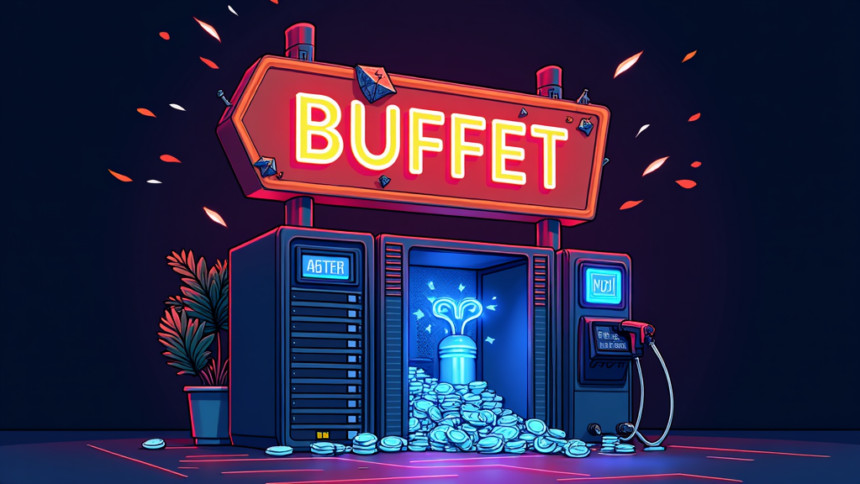
The End of the AI Buffet
GitHub has finally admitted what power users have known for months: an all-you-can-eat subscription for AI code generation was never going to last. Starting June 1, Copilot will shift to a usage-based model, replacing the flat monthly fee with a system of “AI Credits” that deplete based on token consumption. The company claims it can no longer absorb the “escalating inference cost” from users who treat the service like a personal coding army.
This is a direct response to the rise of agentic assistants like Openclaw, which can burn through millions of tokens in a single autonomous session. GitHub’s leaked internal documents reportedly show weekly costs nearly doubling since January. What was sold as a simple productivity tool is now a compute-hungry beast that Microsoft can no longer afford to subsidize. The party was fun while it lasted, but the hangover is here.
The Meter Is Running
Under the new scheme, simple code completions and Next Edit suggestions remain free. But everything else churns through credits priced at API rates that vary wildly by model. A single query to GPT-5.5 can cost $30 per million output tokens. Meanwhile, Copilot code reviews will eat into your GitHub Actions minutes on top of that. The message is clear: think twice before letting your AI assistant “think” for too long.
This mirrors Anthropic’s recent moves to charge enterprise Claude users for actual compute costs and even throttle access during peak hours. The industry is collectively realizing that the dream of cheap, unlimited AI is a mirage. These changes are not about fairness or alignment. They are about turning massive technical debt into a line item on your AWS bill. GitHub’s “preview bill” tool is a nice gesture, but it is the digital equivalent of a restaurant handing you the check before you finish dessert.
The Subsidy Curtain Falls
What we are witnessing is the end of the venture-capital-subsidized AI bubble. For years, companies like GitHub and Anthropic burned cash to buy market share and user dependency. Now that the hook is set, the pricing power has shifted. The shortage of GPUs and the exorbitant cost of inference have made the old subscription model a Ponzi scheme in all but name.
GitHub claims this move “reduces the need to gate heavy users.” That is PR spin. In reality, it gates everyone who is not willing to pay variable, model-dependent rates that could spike without warning. The honeymoon is over. If you built your workflow around a flat $20/month AI assistant, start budgeting. The meter is running, and it runs on API tokens.
Source: Arstechnica