

The Fixation That Shaped OpenAI
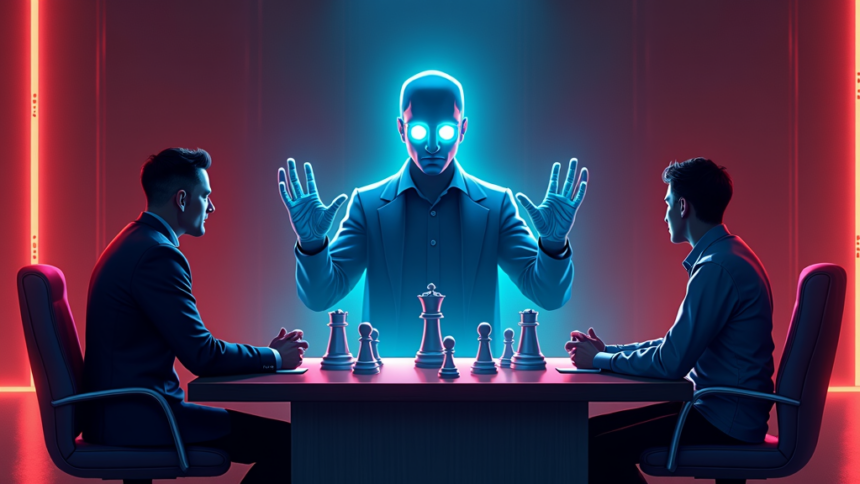
Testimony and emails from the ongoing Musk v. Altman trial reveal an uncomfortable truth: Elon Musk was pathologically obsessed with Demis Hassabis, the CEO of Google DeepMind. This fixation, not grand altruism, was the primary engine behind OpenAI’s founding and strategic direction. Court documents show Musk repeatedly panicking that Google and Hassabis were playing the Super Bowl while OpenAI was stuck in the Puppy Bowl, a metaphor he used in a 2016 email that captures the paranoid atmosphere.
OpenAI president Greg Brockman testified that Musk brought up Hassabis constantly, asking at one early dinner, “Is Demis Hassabis evil?” This paranoia wasn’t just idle chatter. It drove major decisions, including Musk’s failed attempt to fold OpenAI into Tesla to access more resources, and the eventual pivot from a nonprofit to a capped-profit model, all justified by the existential fear of losing to Google.
The Spy Games and a Dark Horse Gambit
The paranoia escalated into cloak and dagger behavior. OpenAI board member Shivon Zilis, who now shares children with Musk, wrote pleading emails suggesting they needed to “slow Demis down,” even reporting rumors that people met in London coffee shops without phones to avoid Hassabis’s surveillance. Musk, for his part, lost all confidence in OpenAI’s ability to compete, writing in 2018 that “humanity’s future is in the hands of Demis” unless he dramatically changed course.
Musk’s response was to bet the house on Tesla’s AI efforts, touting its billions in cash flow as the only “dark horse chance to keep Google honest.” This internal panic, now laid bare in court, exposes how much of AI’s most consequential corporate drama was driven not by grand vision, but by one billionaire’s personal vendetta against a rival he couldn’t stand to lose to.
Source: Theverge