


The Optimist in Chief
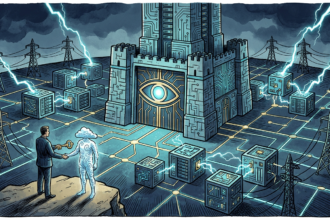
Nvidia CEO Jensen Huang took the stage at the Milken Institute this week to deliver a message that many anxious workers want to hear: AI will create far more jobs than it kills. Speaking with MSNBC’s Becky Quick, Huang insisted that the AI revolution is actually America’s best chance to re-industrialize, pointing to the sprawling factories that build the chips and servers powering the boom. He dismissed fears of mass displacement as a misunderstanding of how tasks and jobs relate, arguing that even when AI automates specific duties, the broader human role in an organization remains intact.
Huang’s sunny outlook is convenient for a man whose company sells the picks and shovels of this gold rush. While he warned against “science fiction stories” that might make AI unpopular, critics note that much of that ominous rhetoric has been seeded by the AI industry itself as a marketing tactic. The tension between reality and spin is hard to ignore when reputable sources project up to 15% of U.S. jobs could vanish due to AI in the coming years.
The Doomer Paradox
Huang reserved his sharpest criticism for the doomsayers who predict AI will dominate humanity. His real fear, he said, is that fear itself will scare the public away from engaging with the technology. But this argument flips the script conveniently: the same industry that hypes existential risk to drive headlines and investment now wants to pivot to a jobs renaissance narrative. The conflict of interest is glaring. AI’s long term impact on labor remains uncertain, but Huang’s sales pitch is clear: buy the hardware, trust the process, and don’t look too closely at the studies predicting a 15% workforce reduction.
Source: Techcrunch