


As first reported by CommonWealth Magazine, Taiwan hosted the DSET International Strategic Summit in Taipei, where over 550 experts, policymakers, and industry leaders gathered to promote secure and democratic approaches to emerging technologies.
The event emphasized Taiwan’s rising influence not just in manufacturing, but also in shaping international rules and alliances for semiconductors, AI, and unmanned aerial vehicles.
National Science and Technology Council Minister Wu Cheng-wen reaffirmed Taiwan’s commitment to a “democratic semiconductor supply chain,” stressing the strategic importance of both advanced and mature-node chip technologies. Wu noted that older nodes like 12nm and 28nm still hold critical defense and infrastructure value due to proprietary manufacturing knowledge. The summit also introduced a proposal by RAND Corporation and the University of Tokyo for a “T7” alliance—uniting democratic nations in tech cooperation—with Taiwan positioned as a central pillar.
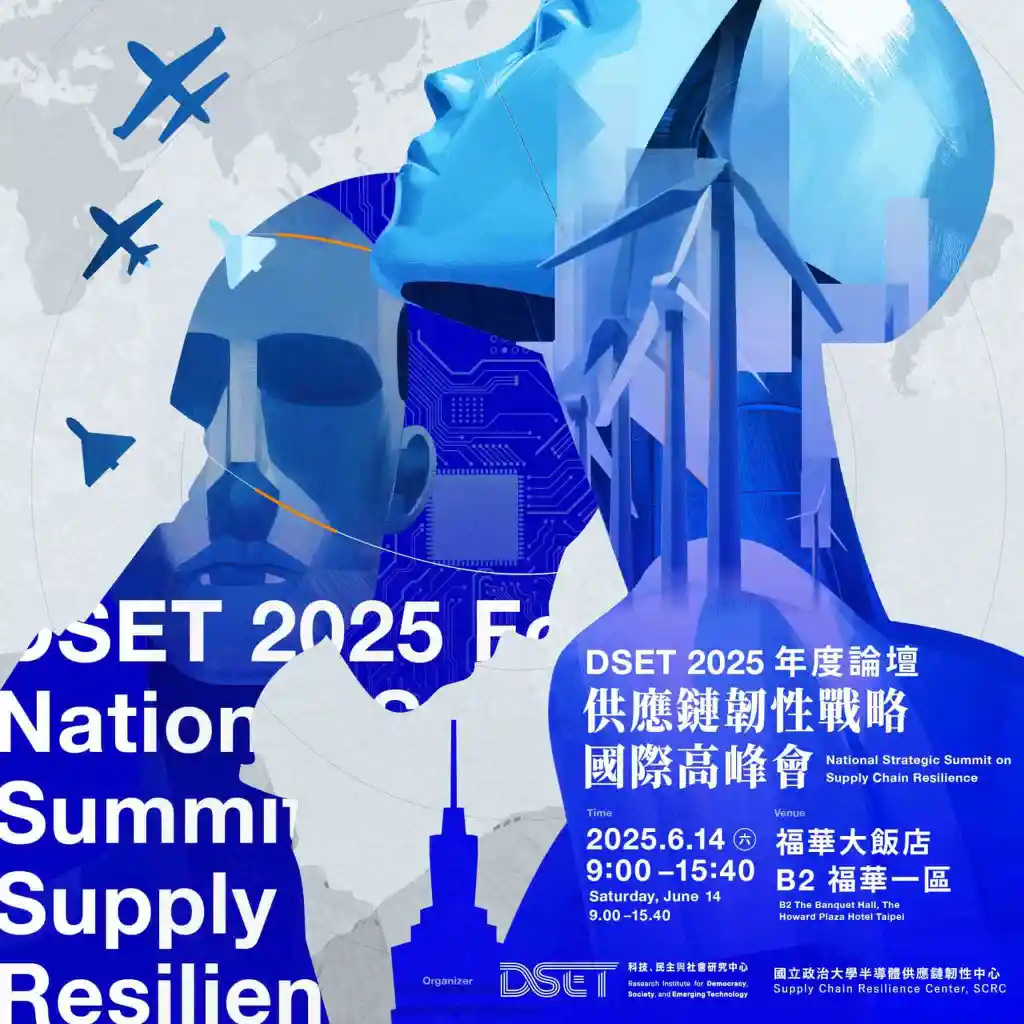
Source: dset.tw.
Discussions on artificial intelligence highlighted trust and global standards as essential to deployment, especially in sensitive areas like defense. Palantir’s Anthony Bak and SCSP’s David Lin emphasized that without shared safety standards and full-stack AI capabilities, Taiwan and its allies risk falling behind. Others warned that democracies must not merely respond to authoritarian tech agendas but take the lead in governance and innovation.
The summit signaled a clear shift: Taiwan is no longer just a critical node in global hardware supply chains, but a proactive architect of democratic technology governance. With growing international support for the T7 and calls for values-based standards, Taiwan is helping define the next chapter of secure, cooperative global innovation.