



As first reported by Taipei Times, Citi Commercial Bank Taiwan recently convened two high-level forums, drawing nearly 200 corporate leaders to discuss strategies for navigating global economic and geopolitical volatility. With input from top Citi economists and trade experts, the events spotlighted Taiwan’s strategic advantages in AI and semiconductor supply chains and how businesses can adapt to evolving global supply chain and trade dynamics.
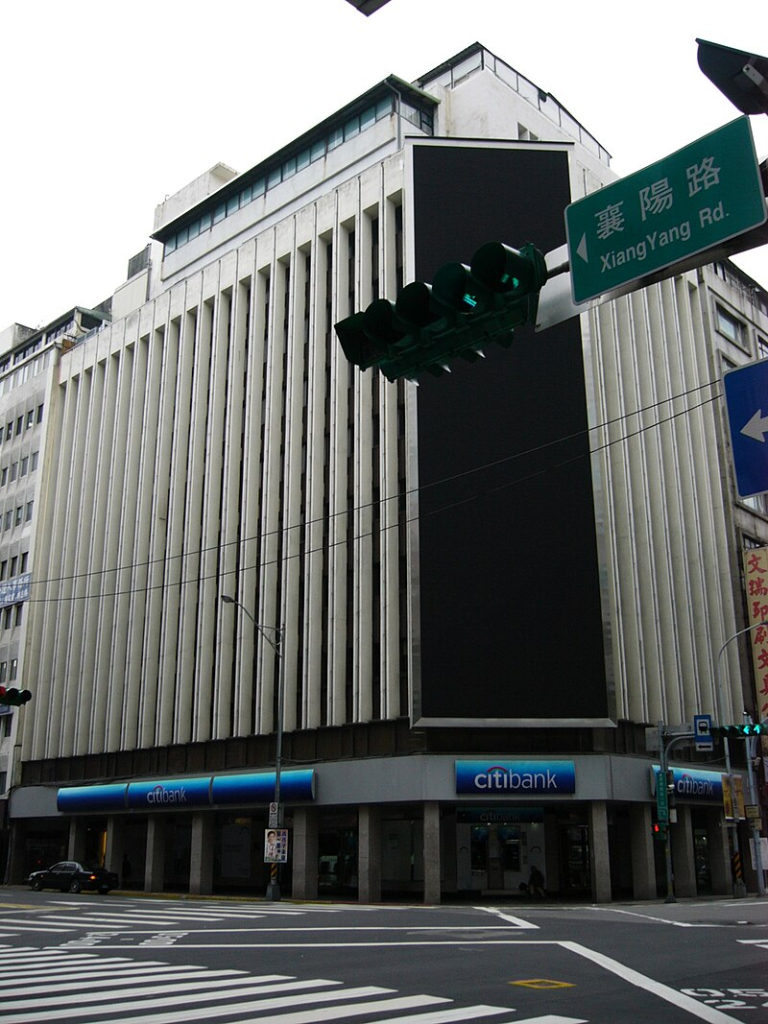
Source: wikipedia.org.
Citi Taiwan Economist Adrienne Lui highlighted that Taiwan’s export resilience — particularly to ASEAN and the U.S. — underscores its adaptability. In April, Taiwan’s exports to ASEAN surged to a record $10.46 billion, marking a 60.2% year-on-year increase, with exports to Malaysia nearly doubling. This trend reflects a growing shift in supply chain dependencies and production footprints, with ASEAN, Mexico, and the EU emerging as key regions in Taiwanese firms’ “China+1” diversification strategies.
The forums also featured insights from Catherine Simmons, Citi’s Head of Government Affairs in Asia-Pacific, and Michelle Yu, Head of Citi Commercial Bank Taiwan, who stressed Citi’s role in supporting cross-border operations. Citi’s global network, advanced risk management tools, and strategic market insights enable Taiwanese corporates to navigate uncertainty and capitalize on new trade opportunities. As geopolitical risk accelerates the pace of supply chain restructuring, Citi is helping clients reposition and future-proof their global strategies.
Lui reaffirmed Taiwan’s economic momentum, driven by AI industrial upgrades and strong GDP outlook. She noted that Taiwanese corporates must prioritize market diversification and de-risking, with ASEAN, the USMCA region, and the EU at the core of future strategy. Citi’s global reach and localized expertise position it as a key partner for Taiwanese businesses looking to sustain growth and remain competitive amid ongoing trade realignment and geopolitical flux.