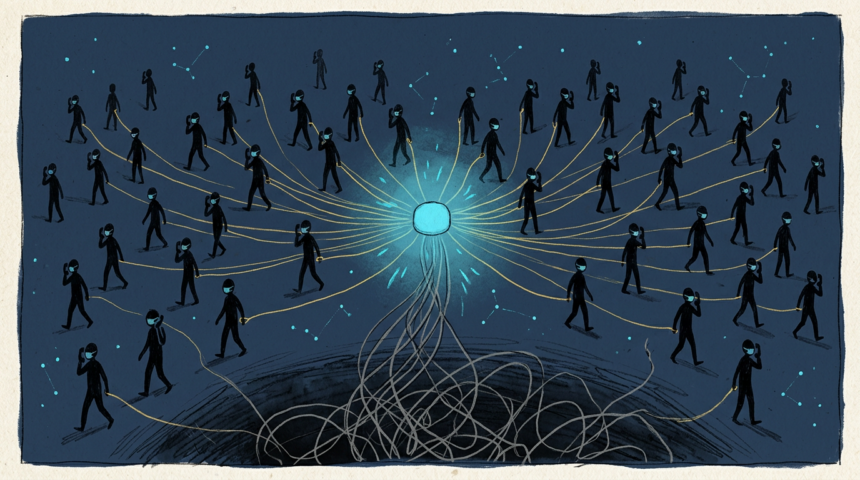
Picture an AI agent whose job is to lose. Apate.ai, an Australian company founded in 2024 out of research at Sydney’s Macquarie University, fields thousands of them, all pretending to be ordinary victims.
Baiting fraudsters is the whole point. Phishing links get clicked, shady texts and emails get answered, scam calls get picked up, and the bots slip quietly into social media groups. The personas vary in age, gender, accent and language, and the aim never changes: hold a criminal’s attention long enough to extract something useful.
By Apate’s count, that fleet has consumed 17 years of scammers’ time over 2.5 million conversations. Banks, telecom carriers, government agencies and utilities make up the customer list, and what they receive is intelligence that normally surfaces only once someone has already been fleeced: bank accounts, crypto wallets, phone numbers, malicious sites, and the brands being impersonated.
Brad Joffe, the startup’s co-founder and chief commercial officer, frames the contrast bluntly. Carriers block a number and the scammer simply buys another; banks spot the transfer after the money is gone. His own summary of what sets Apate apart, as he told TechCrunch: the company approaches the fraudster rather than the victim, and retrieves its findings ahead of any harm.
Demand is easy to explain. In 2025 the FBI fielded over 22,000 AI-related crime complaints carrying roughly $893 million in losses, and more than $632 million traced to investment fraud, where AI scripts the conversation and deepfakes executives, celebrities and trusted figures.
The origin was a family picnic. Dali Kaafar, Apate’s founder and CEO, strung a scam caller along for 44 minutes to entertain his kids, then did the arithmetic: those were 44 minutes the fraudster spent on nobody real. Apate is among the Startup Battlefield 200 finalists presenting at TechCrunch Disrupt this week.