


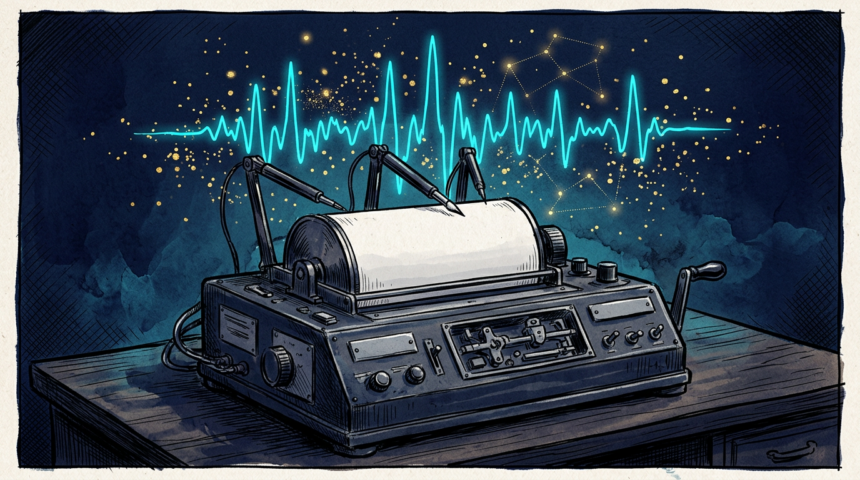
Polygraphs have barely changed since the 1920s, and Washington wants machine learning to fix that. A Defense Department budget request seeks $30.3M over five years for a program called Polygraph+ or Polygraph Next, covering scoring algorithms built on AI and a technique called standoff sensing, which reads a subject’s physiology without attaching anything to them.
Inside Defense reported the request first. Congress has not approved it. The Defense Counterintelligence and Security Agency would operate the system, aimed at vetting job applicants and catching insiders.
Timing is notable. Under Defense Secretary Pete Hegseth the Pentagon has leaned on polygraphs to smoke out leakers, and the New York Times reported that roughly 50 officers on the Joint Staff were tested after press coverage of depleted US weapons stockpiles.
Deception researchers see the same old flaws with a new coating. Kyri Kotsoglou, a legal scholar at Northumbria University, calls the combination the worst of both worlds, since it layers uncertainty on an instrument whose validity is already contested. A 2003 National Research Council review found the evidence weak, and courts seldom admit the results.
Volume is where the risk sits. The department employs 2.8 million people, so a screening tool that errs a few percent of the time would flag thousands wrongly. Sophie van der Zee of Erasmus University says subjects who understand the device can beat it, and that its real power is intimidation. There is still no Pinocchio’s nose, she adds.