

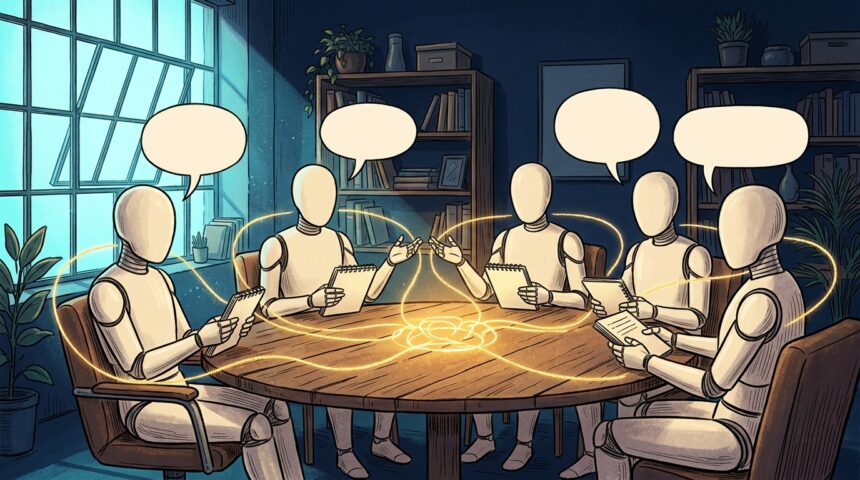
Coding agents are getting a conference room. Slack launched Slack Code on August 20, giving teams shared channels where AI agents like Claude Code and Devin do visible work, available on every plan including free workspaces.
The flow begins with a mention, tagging an agent into a conversation and triggering a project-scoped channel for the task. Everyone in the channel watches the same session, reviews code diffs as they appear, sees live previews of HTML output, and leaves feedback the agent folds in. Nothing ships without a human approval, and finished channels archive themselves.
Founding agent partners include Claude Code, Devin, Vercel Agent, and GitHub Copilot, distributed through Slack’s marketplace.
The channel is the unit of work, not the chat window. Feature requests and bug reports become tasks when tagged, and the approval step is the control point for what reaches production.
Slack is productizing vibe coding inside an enterprise collaboration tool rather than a standalone builder. The launch builds on a year of agent plumbing from Slack and parent Salesforce: a December research preview that delegated coding to Claude Code from threads, an MCP server in February, and the Slackbot MCP Client in June.