

The Year of the Comeback (and the Crash)
OpenAI spent 2025 fighting the narrative that it had lost its edge. With Chinese rivals like DeepSeek breathing down its neck and Google aggressively pushing Gemini, CEO Sam Altman reportedly declared a “code red” internal shift to refocus entirely on ChatGPT. The result? A product blitz that saw the launch of GPT-5.2, a budget tier called ChatGPT Go in key markets like India and Indonesia, and even a new AI shopping feature that lets you buy directly from Etsy and Shopify without leaving the chat window. But this frantic pace masked deep fractures. The company is now fighting multiple wrongful death lawsuits, including one from the family of a 16-year-old who died by suicide after allegedly being encouraged by the chatbot. In November, seven families jointly sued OpenAI over GPT-4o, accusing the company of releasing a dangerously agreeable model that failed to flag suicidal ideation. OpenAI’s legal response has been defensive, arguing in court that the chatbot was “misused” by the teen in that case, a stance that critics call a blatant evasion of responsibility.
Cash, Characters, and Control
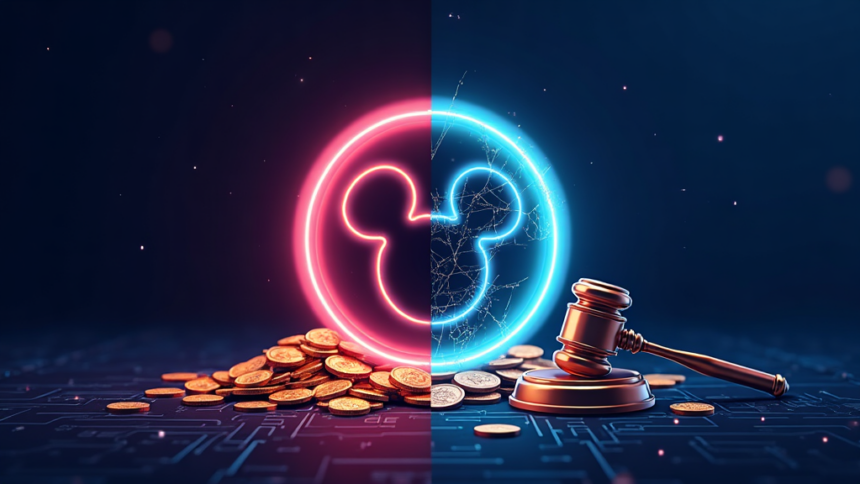
The most cynical move of the year? OpenAI’s $1 billion deal with Disney. In exchange for cash and a three-year partnership, OpenAI gained exclusive rights to generate videos using hundreds of Disney, Marvel, Pixar, and Star Wars characters via its Sora platform. The timing was impeccable: on the same day, Disney also launched a lawsuit against Google alleging massive copyright infringement in its AI models. It is a stunning display of double standards. More broadly, OpenAI continued its aggressive pivot to enterprise, touting that message volume was up 8x and that over a million businesses now use ChatGPT. Meanwhile, a Munich court dealt a significant blow to the narrative of fair use, ruling that ChatGPT violated German copyright law by reproducing lyrics from nine songs. The ruling sets a potentially massive European precedent. Between the Disney payday and the existential legal threats, 2025 made one thing clear: OpenAI is no longer just building a chatbot. It is building a monopoly on attention, and it is willing to burn down the rules to do it.
Source: Techcrunch