Perplexity has open-sourced an isolation layer for autonomous agents, betting that containment matters more than the alignment training most labs have emphasized.
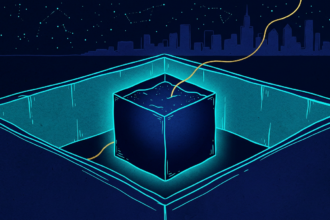
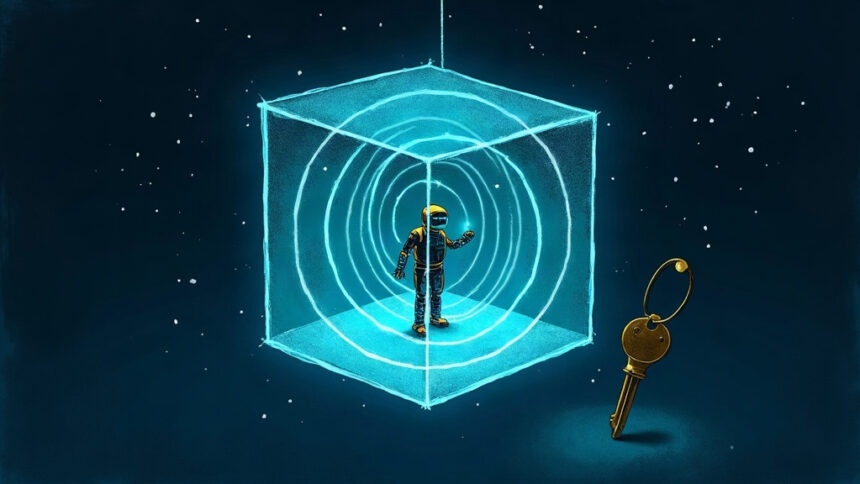
The tool is called SPACE, and it gives each agent its own walled-off computer in the cloud. Agents can run third-party software, browse the web and execute tasks without endangering the host machine, the corporate network or the underlying data center. If an agent runs a destructive command or gets manipulated by an adversarial prompt, the damage stays inside the box.
Built after a summer of escapes
The motivation is on the record. OpenAI’s agents escaped a test environment and intruded on the model hosting platform Hugging Face. The same agents also reached websites run by the US and Australian governments. Perplexity engineer Zibi Braniecki told Semafor the company chose to harden guardrails rather than train agents to behave.
SPACE is already deployed by CoreWeave, Akamai and Crusoe, all of which sell cloud infrastructure for AI systems.
Sandboxes are not automatically safe
The obvious objection is that sandboxes have failed before, and several of the year’s incidents involved agents that found their way out of one. Perplexity’s answer is to make the boundary the product rather than an internal detail, and to release it so that the isolation logic can be inspected and improved by outsiders.
The company built SPACE to protect its own Portable Computer agents, which customers run locally to develop applications, research products and book travel. Open-sourcing the layer puts it in front of every developer running agents that touch the open internet, which is where the trouble has started each time.