

The Myth of Altruistic AI Crumbles in Court
The Musk vs. Altman trial has already accomplished something no press release ever could: it has shredded the glossy, do-gooder origin story of OpenAI. Fresh exhibits from the courtroom paint a picture not of a noble nonprofit driven by safety concerns, but of a frantic, ego-driven race against Google DeepMind, with Sam Altman and Elon Musk jostling for control before the company even had a name. The leaked emails, dating back to 2015, reveal that the entire structure was a patchwork of compromises, not a principled stand. Altman proposed a governance board that included Bill Gates and himself, while Musk mused about using Tesla’s vast sensor data and SpaceX stock as employee incentives. This was never a mission; it was a merger of massive ambitions and conflicting interests from the start.
The “Ironclad” Control That Never Was
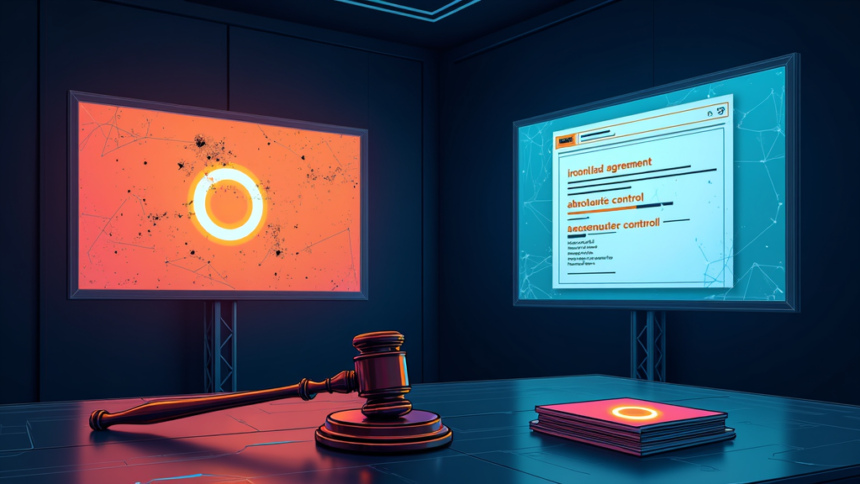
One explosive exhibit shows that by 2017, cofounders Greg Brockman and Ilya Sutskever were already terrified of Musk’s grip. An email from Musk’s chief of staff, Shivon Zilis, relays their nonnegotiable demand: “an ironclad agreement to not have any one person have absolute control of AGI.” Musk’s response? “This is very annoying. Please encourage them to go start a company.” This is the smoking gun. The supposed altruists were demanding structural safeguards against the very toxic founder dynamics that would later tear the company apart when Altman was ousted and reinstated in 2023. The trial isn’t about whether OpenAI lost its way. It’s about whether it ever had one to begin with. The evidence suggests the founders knew the mission was fragile and built it on a foundation of sand and secrecy.
Source: Theverge