


The Humanoid Hype Hits the Tarmac
Japan Airlines is rolling out a decidedly unsubtle experiment at Haneda Airport: replace human baggage handlers with bipedal robots. Starting May 2026, the company will test Unitree’s G1 and UBTECH’s Walker E humanoid robots for tasks like loading cargo and cleaning aircraft cabins. The stated reason is a crippling labor shortage ground crew numbers in Japan dropped from 26,300 to 23,700 between 2019 and 2023 and Narita Airport once turned away 30 percent of requested flights due to staffing gaps. But this push feels less like a pragmatic solution and more like a high stakes demo for investors who want to believe humanoids are ready for prime time.
The Staggering Reality Check
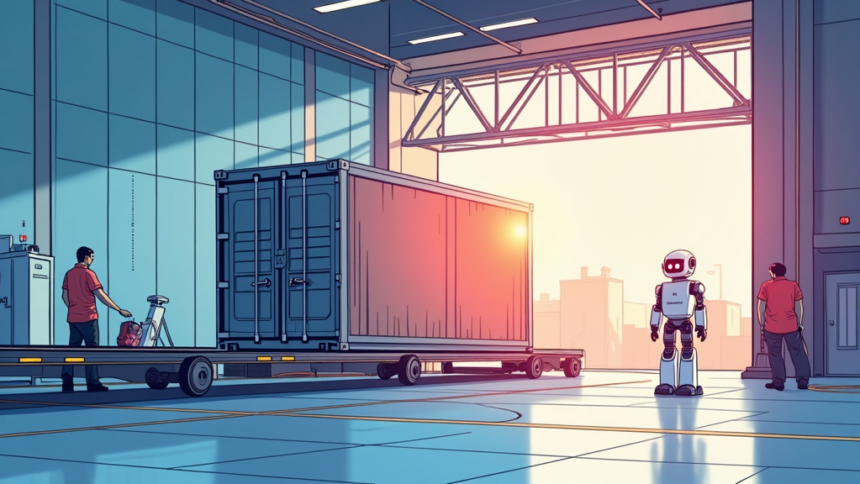
A video from a staged hangar test reveals the gap between aspiration and operation. One robot totters up to a cargo container and makes a vague pushing motion, but the container only moves when a human activates the conveyor belt. That is not autonomy. That is a prop. Humanoid robots remain staggeringly expensive the baseline G1 costs $13,500 and they struggle with the chaotic, unpredictable environments of a real airport where flights land every two minutes. Japan Airlines admits the first phase of the pilot will simply identify which areas are safest for robots to exist, not actually replace workers. The safety risks of having 5 foot tall machines with grasping arms wandering near passengers, baggage carts, and jet fuel are significant and largely unaddressed in the press materials. The industry should be asking whether pouring resources into humanoids that cannot yet handle a suitcase is a wise bet, or just a distraction from more practical automation.
Source: Arstechnica