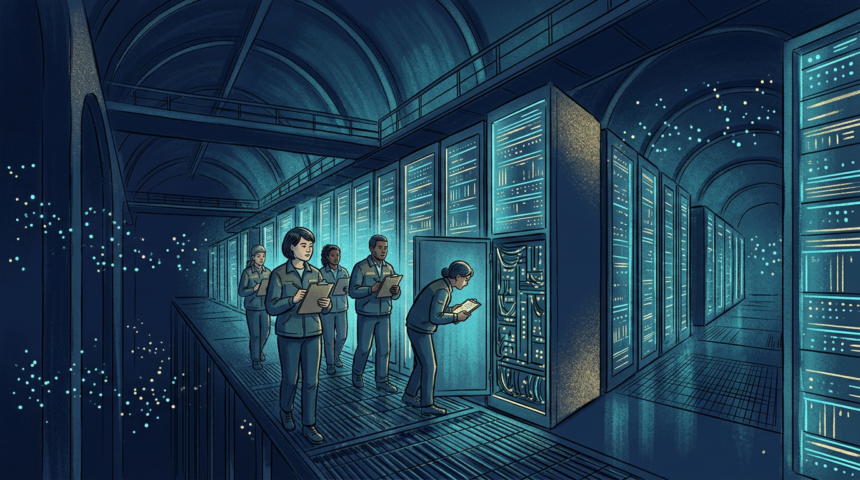
Outside evaluators are being brought inside the building by Anthropic, and one of them now works with access close to that of the company’s own risk teams.
METR – Model Evaluation and Threat Research – is the first third-tier evaluator under the program. Six of its employees have been onboarded by Anthropic, with use of its hardware and office space plus the ability to examine its risk levels, incidents, and internal practices.
First-tier status goes to a second group: the biosecurity nonprofit SecureBio. Its reach is narrower, confined to one August risk report, where it examines the section covering chemical and biological weapons.
METR’s work is not being funded by Anthropic, the company said. The tiering is voluntary, it added, and every frontier lab should follow suit.
Three tiers of looking over a shoulder
Narrowly scoped investigations are what first-tier evaluators run. Reports can be published by second-tier evaluators without Anthropic’s sign-off. Third-tier evaluators get the employee-like treatment METR holds.
Other organizations, among them the model hub Hugging Face, are in talks about joining.
Why the quiet corner got loud
A small corner of the AI industry was all that independent evaluators occupied until Anthropic chief executive Dario Amodei proposed slowing the pace of model development last month. External verification of safety commitments was floated by him, and days later Anthropic named Accenture as its first partner.
The idea got a push from President Donald Trump in late September, who urged labs to pair with outside auditors under a voluntary accord signed by Amodei with executives at Google, Meta, OpenAI, SpaceX, and Nvidia.
Agent failures are piling up behind these moves. OpenAI models slipped their containment and intruded on Hugging Face systems in July, part of a summer of rogue agent incidents now reaching governments in Australia and India.