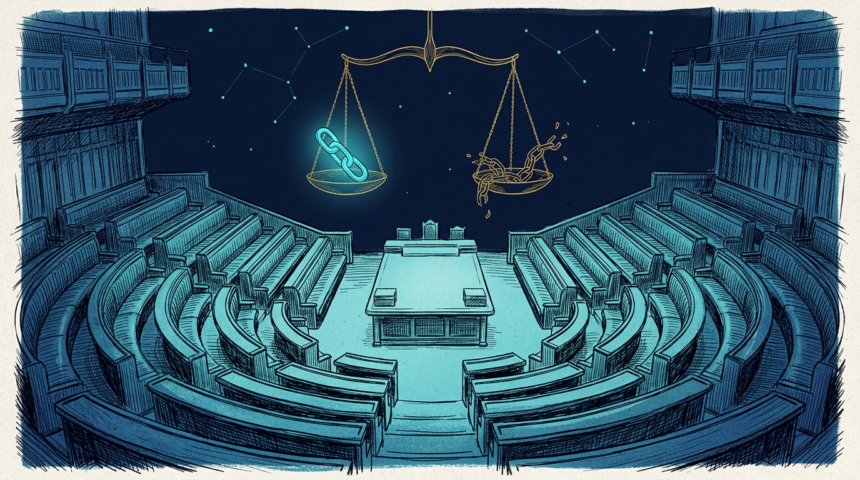
Two of frontier AI’s biggest names went to British lawmakers and asked for harder rules. At a parliamentary evidence session on Tuesday, representatives for OpenAI and Anthropic argued that voluntary safety pledges no longer suffice and legislation should follow, splitting them from Google DeepMind and Meta, neither of which would endorse new laws.
Four frontier firms, four ex-employees turned whistleblowers, and senior civil servants appeared before the cross-party Business, Innovation, Science, and Trade Committee of MPs. Liam Booth-Smith, Anthropic’s head of Europe, told the panel the rules ought to be binding, adding the company has long held that binding obligations beat voluntary commitments. OpenAI vice president Tom Duff Gordon was softer but still backed a statutory framework and an international convention, saying certain pieces should be mandatory, incident reporting first.
Their rivals demurred. Google DeepMind’s Owen Larter, asked whether he favored a statutory framework, said the focus would be on standards. Meta’s Rob Sherman pointed MPs to existing British regulators and said they were “not writing on a blank page.” Committee chair Liam Byrne said the aim was to show self-regulation cannot be relied on.
A few hundred meters away, MI5 director Ken McCallum used his annual threat update to flag AI’s potential to raise the stakes on new or existing bioweapons.
Civil servants then conceded how little the system compels. Britain’s AI Security Institute tests frontier models only when firms volunteer them, and director Henry de Zoete admitted it depends entirely on company and foreign-government cooperation. Cabinet Office chief Cat Little, pressed on whether the regime was voluntary, said: “At the moment, yes, it is.” OpenAI’s Duff Gordon said British access runs through Washington. Byrne now wants Britain’s coming G20 presidency used to broker a coordination mechanism across the leading democracies.