Microsoft chairman Satya Nadella used a weekend post on X to argue that advanced AI systems need containment built around them before they get anything near mission-critical access.
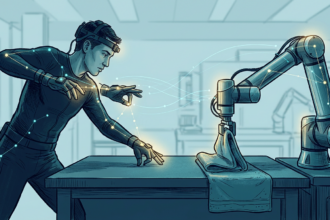
His centerpiece is an emergency brake. Authorized operators should be able to pause or shut a model mid-task, he wrote, and frontier systems should be handled the way security teams handle insider threats.
That framing is deliberate. Nadella’s stated reason is not malice. It is that any capable actor holding the keys to important systems can slip, get confused or be turned against its owner.
He listed the design principles he wants adopted. Model diversity so no single vendor becomes a chokepoint. A human-readable log of everything a system does. Continuous testing. Independent controls. Documented incident disclosure.
Microsoft’s chief also pushed a harder line on trust itself. In his words, the most dependable Super Intelligence system will not be the one whose model people trust most, but the one that forces them to trust the model least.
He called for new industry standards where current ones fall short, describing the existing landscape as insufficient for systems that behave as unpredictably as frontier models do.
The remarks land during a loud stretch for AI safety arguments. Anthropic’s chief executive and OpenAI’s have both warned publicly about insufficient safeguards, and a researcher who left Anthropic last month accused that company and OpenAI of gambling with lives.
Nadella’s use of “Super Intelligence” mirrors President Donald Trump’s preferred label, a phrase Trump has pushed over Artificial Intelligence.
The proposal stops short of naming a regulator or a testing body. It is a design brief from a company that sells the systems in question, not a compliance regime, and Microsoft has not said who would hold the brake.